-scaled.png "FOMINTE(logo透明底)")

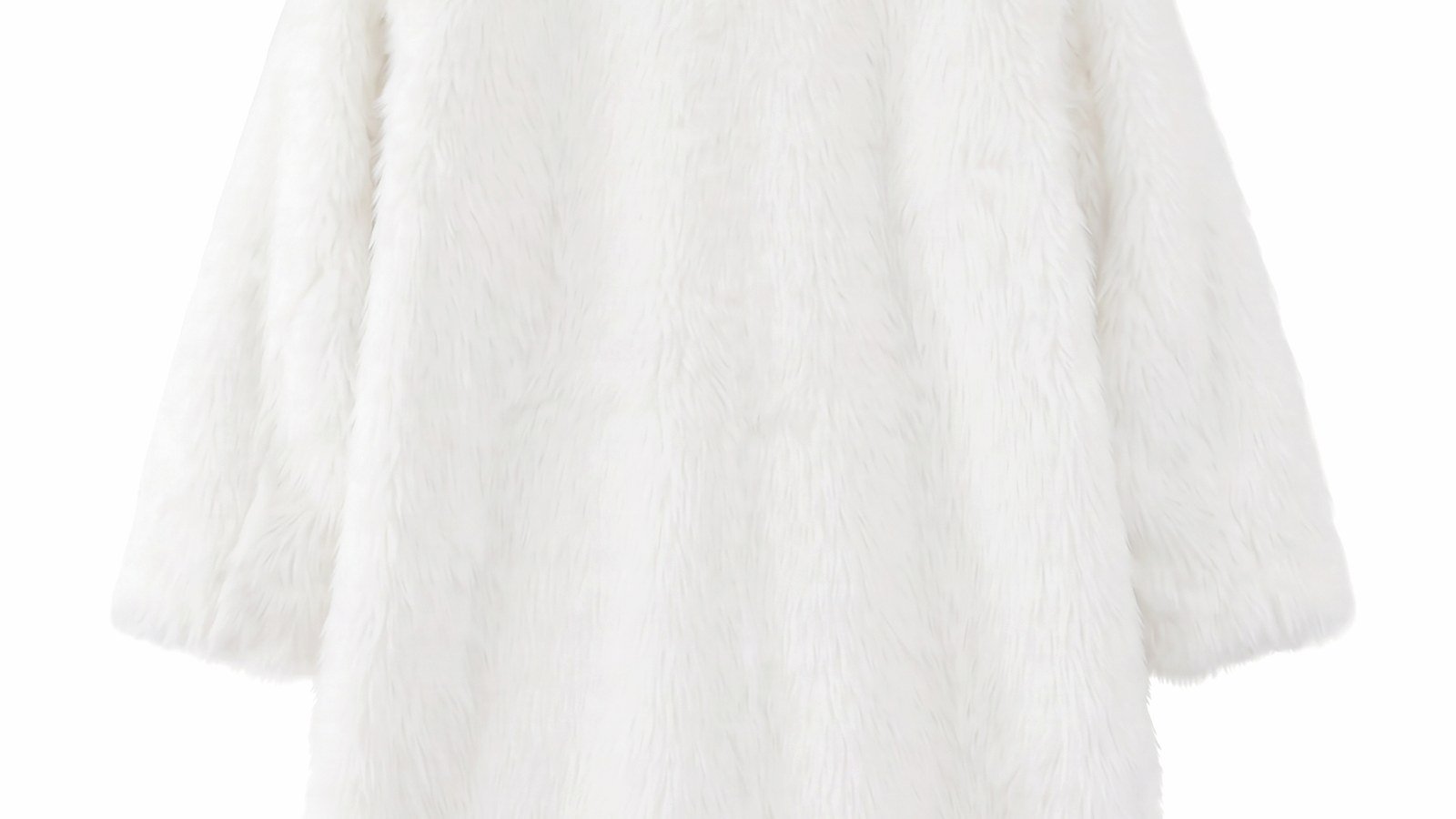
Choosing faux fur is not only a visual decision. For brands, importers and private-label buyers, the right material affects hand feel, garment structure, production stability and customer satisfaction after delivery.
Start with the garment purpose
A long-pile faux mink effect may be ideal for statement coats, while shorter plush or fleece-backed materials can work better for lightweight jackets, vests and accessories. Before sampling, define the target season, wearing scenario, retail price range and expected silhouette.
Check pile height, density and hand feel
Pile height influences warmth and appearance. Density influences fullness, recovery and perceived value. A premium faux fur should feel soft, recover well after compression and maintain a consistent surface without obvious bald spots or uneven color.
Review backing and garment construction
The backing fabric determines how the material behaves during cutting and sewing. For structured coats, the backing needs enough stability. For softer fashion pieces, flexibility and drape become more important. Matching material behavior with pattern design helps reduce bulk, twisting and seam issues.
Confirm color and finishing standards
Solid colors, dip-dye effects, jacquard looks and tipped finishes should be checked under natural and indoor light. Brands should approve lab dips or sample yardage before bulk purchasing, especially when building a coordinated collection across several SKUs.
Ask for production-ready samples
A swatch can show texture, but a garment sample reveals cutting loss, seam thickness, lining compatibility and final fit. Fominte supports material sourcing, color matching and sample development so buyers can make decisions before bulk production.
Planning a faux fur line? Send your reference sample, tech pack or target material direction and our team can help evaluate suitable fabric options for sampling.